The Fading Shore
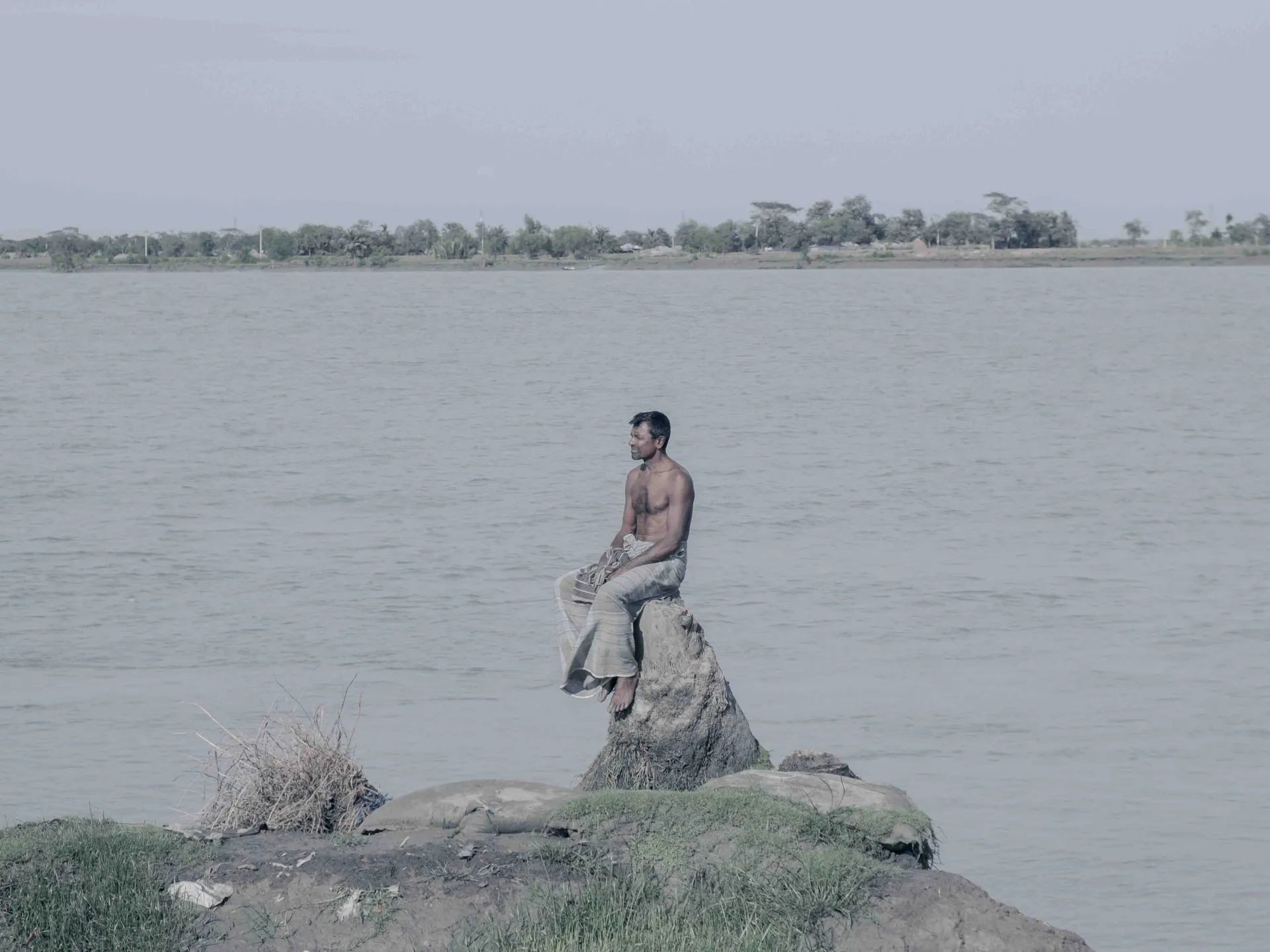
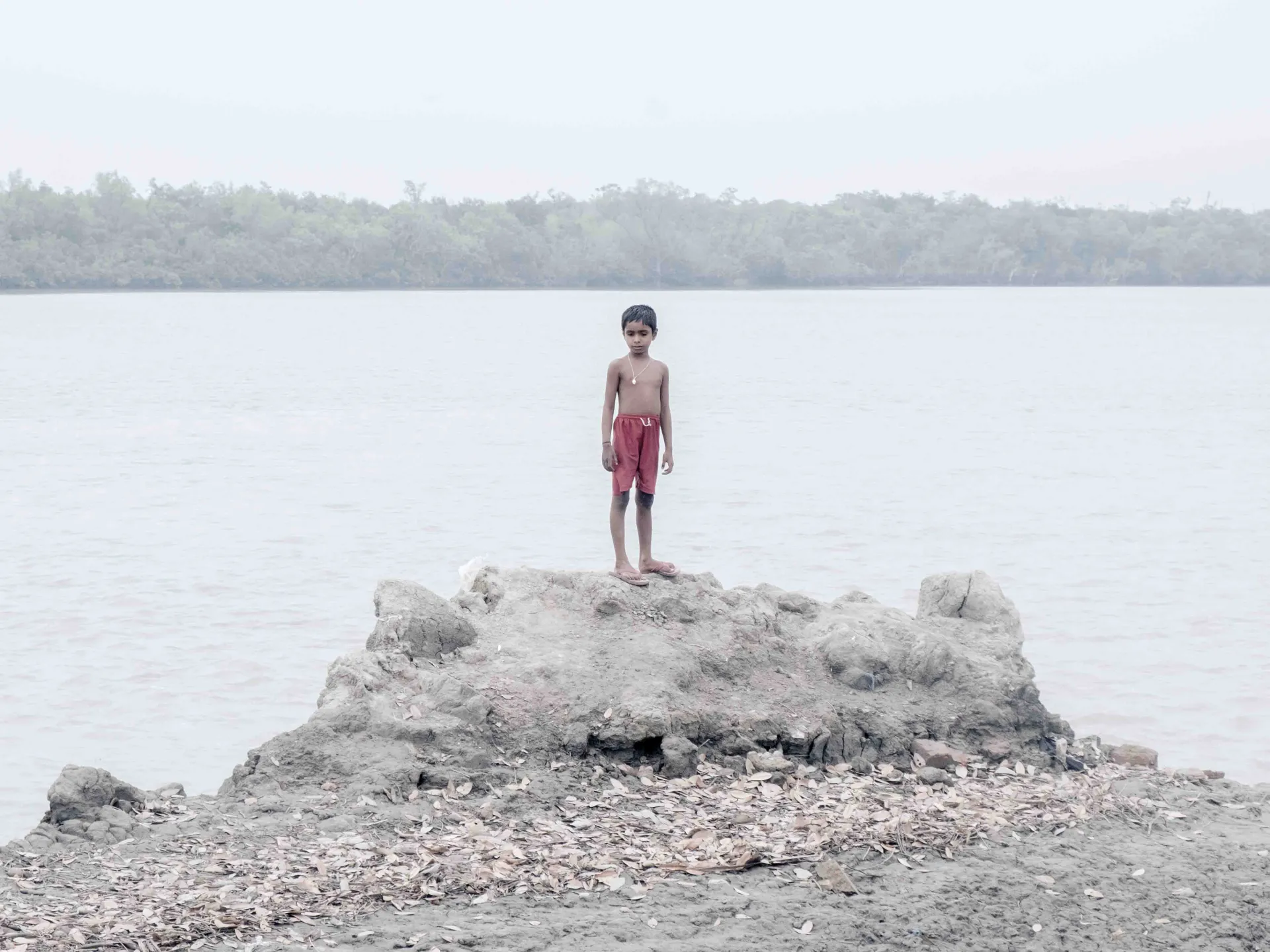
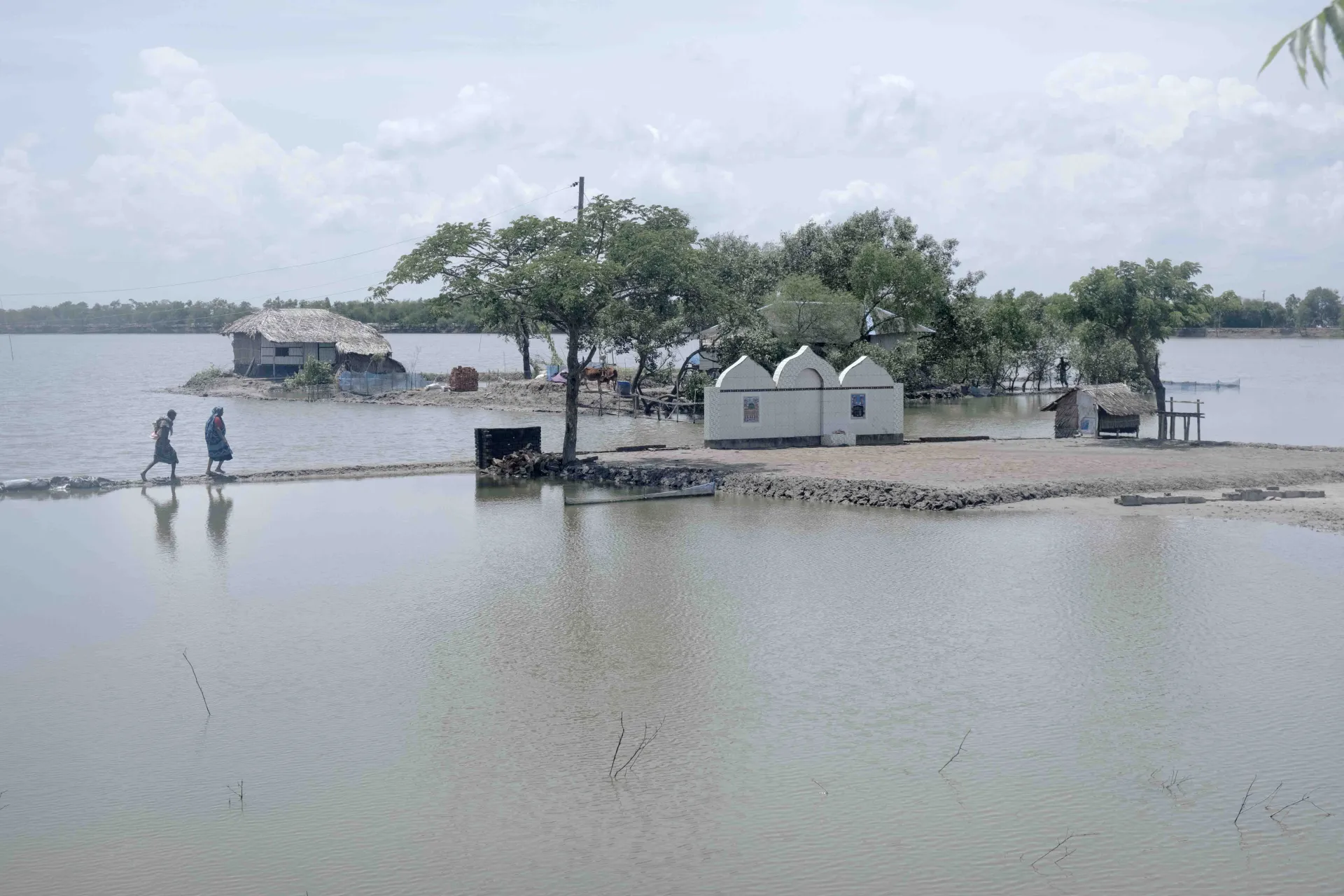
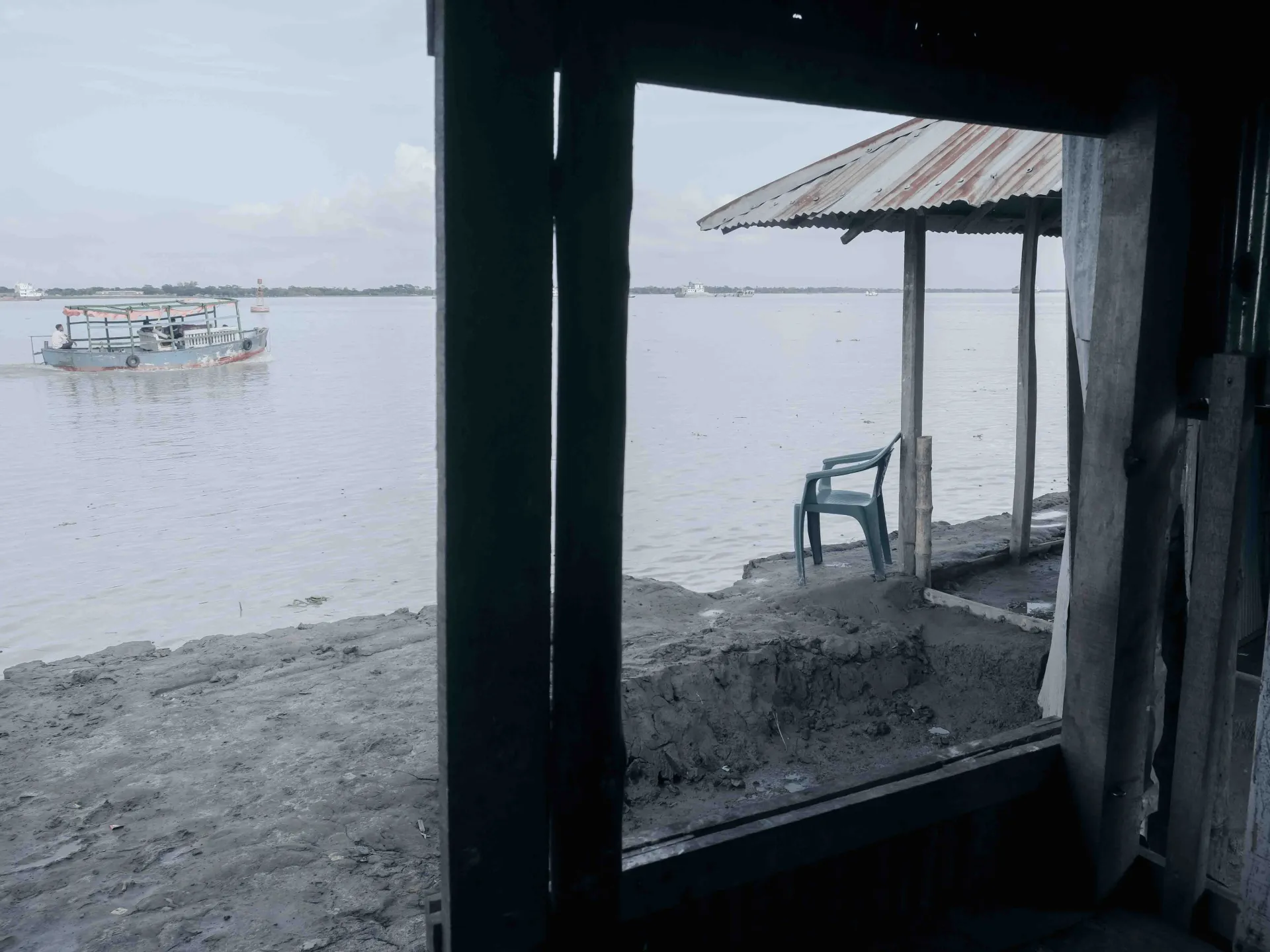
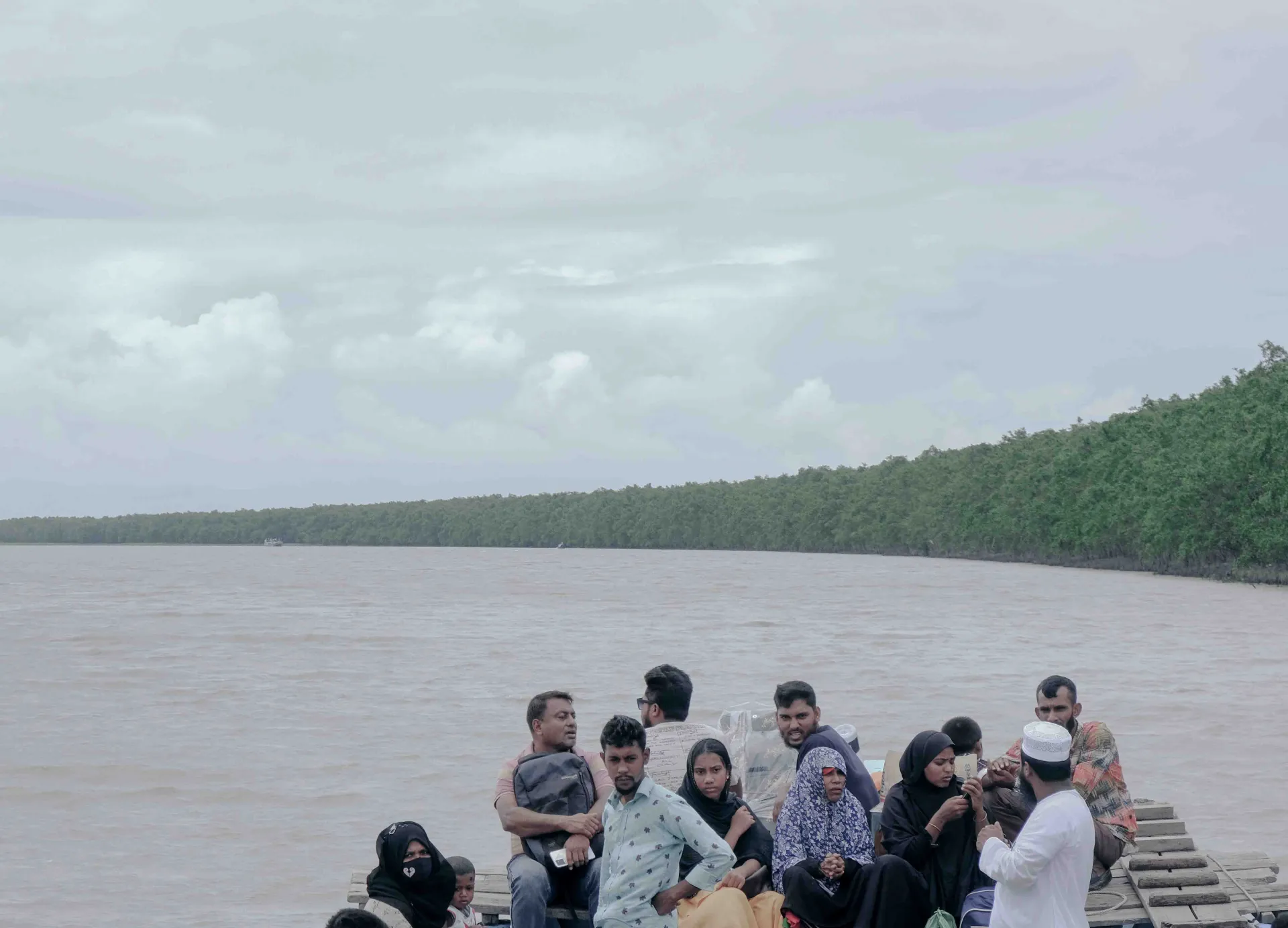
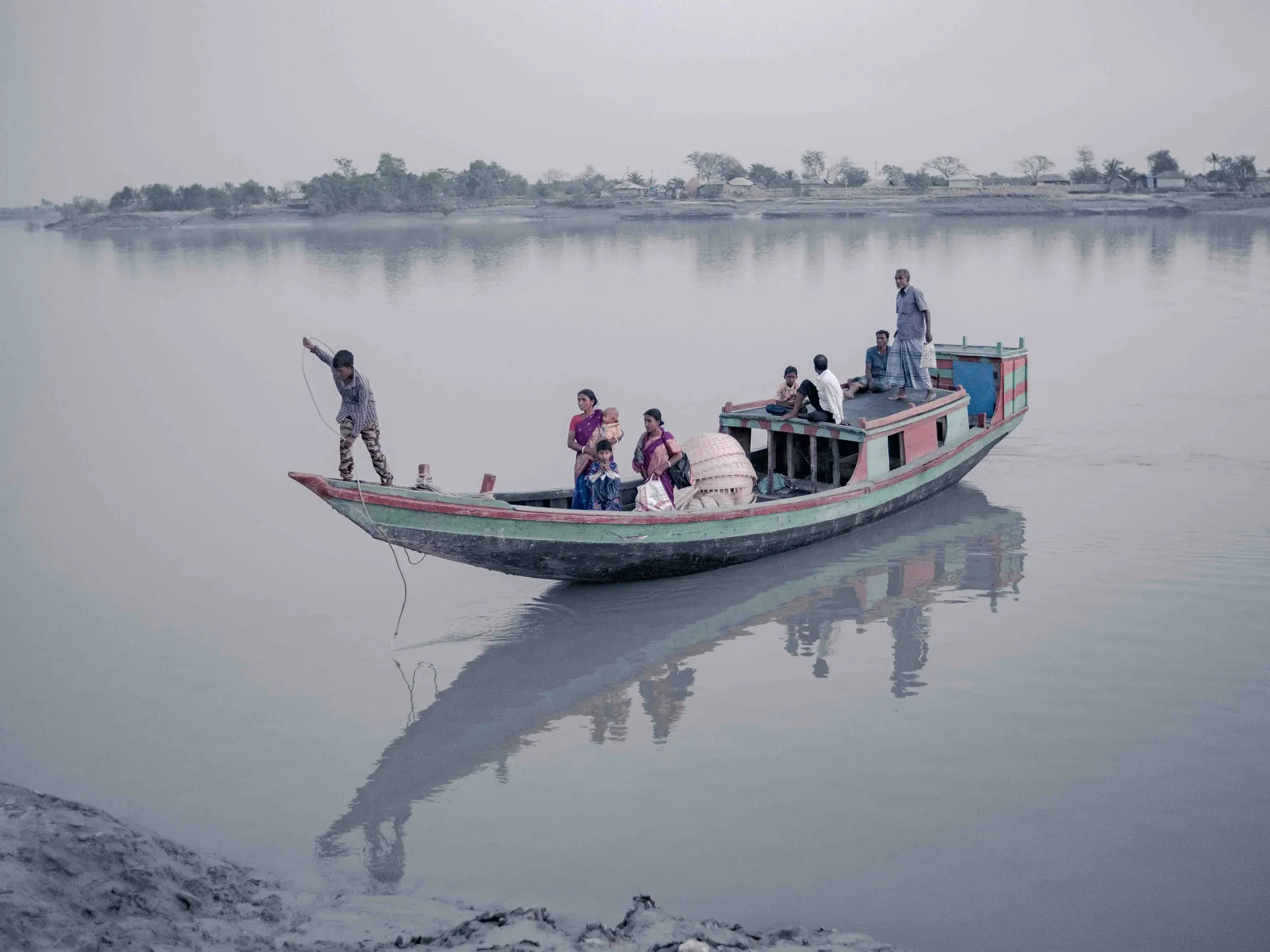
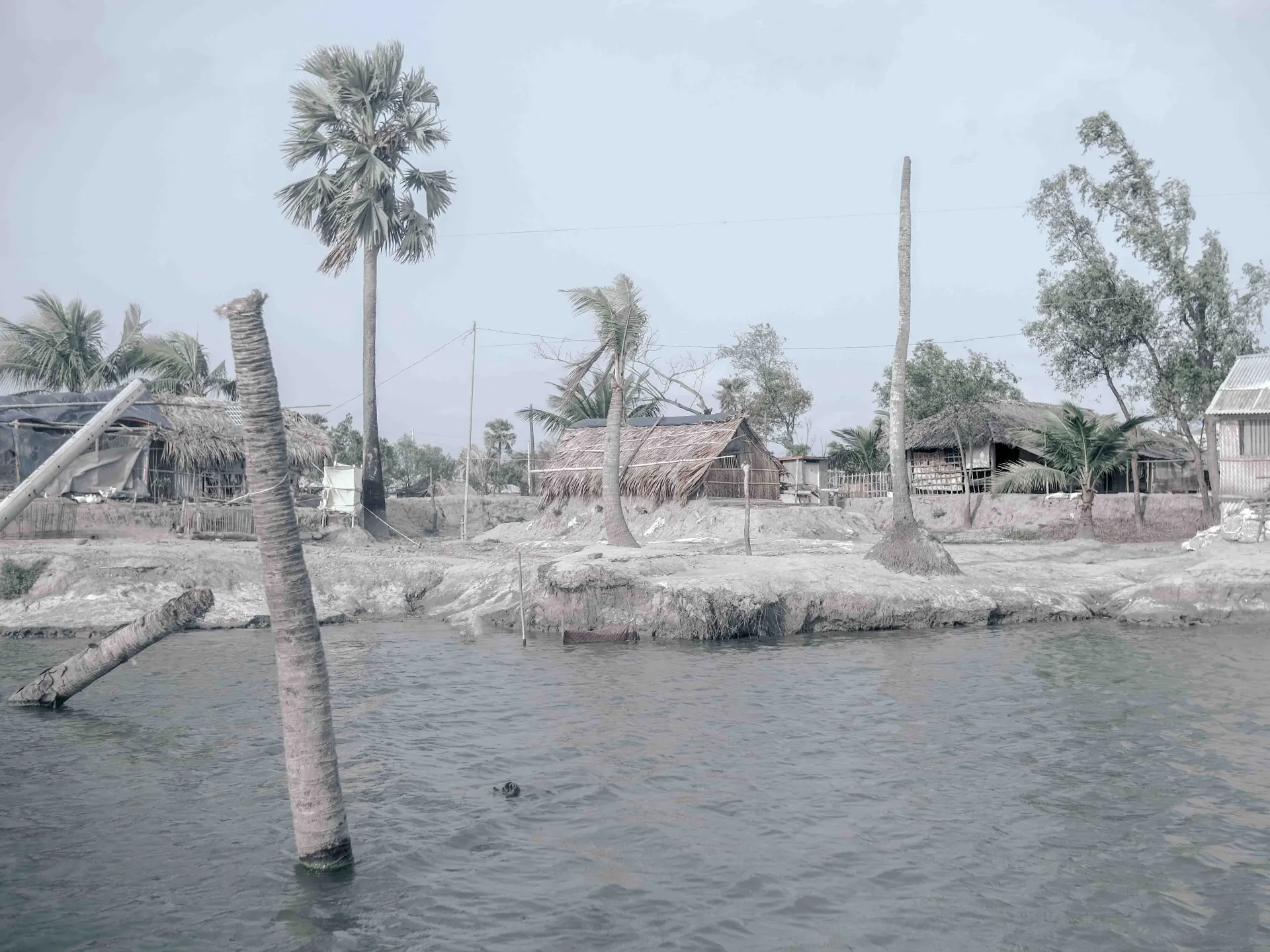
I am a child of the region, having seen firsthand how river erosion, tides, saltwater, and cyclones are destroying people’s lives and lands. Natural disasters are estimated to have cost the southern coastal region $1.5 billion in damage by 2025. "The Fading Shore" is a long-term visual research project that closely captures the daily lives of people, the struggles of women and children, and the survival stories of families. Each image captures loss and resilience, fragility, and resilience. According to research, coastal women are at about 75% higher risk, child marriage rates have increased by 39% after disasters, and about 42.5% of women face a shortage of safe water. Women walk an average of 3 to 7 kilometers daily to collect water from safe sources. Long-term use of saltwater causes cervical cancer, premature abortion, and mental illness in women. This situation makes their daily struggles more challenging. UNICEF reports that a total of 19.4 million children* in Bangladesh are facing various risks due to climate change. Among them, the risks for children in coastal areas are particularly significant. Climate change is a serious problem for children in the southern coastal areas of Bangladesh, threatening their future and well-being. Social neglect and corruption exacerbate the risks of nature and human suffering. There is no effective government system in the erosion-affected areas; local public representatives loot relief. Due to the lack of strong embankments, safe roads or Health systems, embankments break every monsoon and tide, lives and livelihoods are submerged. This situation forces local people to struggle for long-term rehabilitation and survival. The project shows images of houses washed away by salt water; land lost to the river, children playing in drought fields and women struggling for livelihoods. In my visual narrative, the faded color tones and metaphorical images of salt scorching reveal the story of people's struggle, the courage to survive and a slowly disappearing world. The project aims to make the invisible climate crisis visible, to present human lives in a professional, research-based and humane way. Through exhibitions, multimedia and a community driven archive, it will connect with international climate policy, researchers and activists. On the Edge of Existence is a bridge between art and activism where dignity, tolerance and the courage to survive are highlighted, on the land and in the water where life constantly faces challenges.